A note from next door
Home & GardenBuying guide
Apartment dehumidifiers compared: capacity, noise and where they fit
Apartment dehumidifiers differ most in pints per day, noise rating and drainage. Here is how to read the labels and where a unit fits in a small flat.
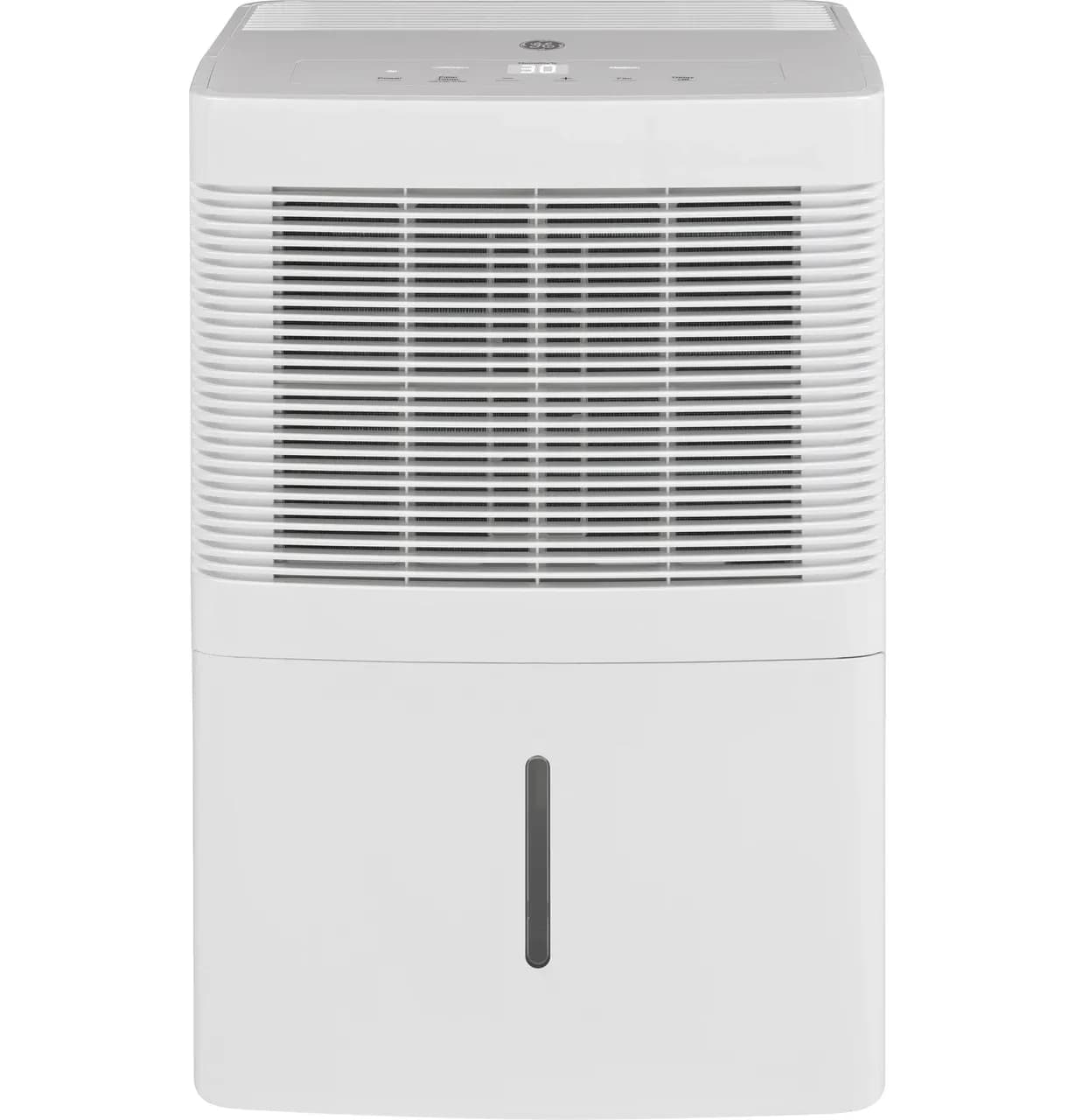
Start with how damp the room is
Before you compare models, settle one number: how much water your room puts into the air. A dehumidifier is rated in pints removed over 24 hours, and the right size depends on the room and on how damp it already is.
ENERGY STAR gives a starting table for small and medium rooms under 2,000 square feet. For a room that is slightly to moderately damp, at 50 to 75 percent relative humidity, it lists 20 to 30 pints per day. A very damp room at 75 to 90 percent gets 25 to 40 pints, and a wet room at 90 to 100 percent gets 30 to 50. The same page says it is better to oversize than undersize, and Natural Resources Canada gives the same advice.
Is oversizing free? The pages do not settle it. ENERGY STAR gives no running cost for a larger unit, so before you buy a bigger machine, read the energy figures on its own listing.
Treat the table as a starting point. It describes a room's conditions, not your building, and it says nothing about a bathroom fan or a damp corner you already know about.
Pint ratings that changed on paper
Pint ratings are not always stable. Honeywell's support page says the US Department of Energy revised its testing method, which lowered the published ratings for several TP Series units. The TP30 went from 30 pints to 23, the TP50 from 50 to 32, and the TP70 from 70 to 50. Honeywell says the physical units and their performance did not change, and that its room-size recommendations stayed the same.
Which number should you trust? The one on the current listing, with its date. Both can describe the same machine, so an older review may disagree with a current spec sheet.
Coverage claims are looser still. Midea's US page for its EasyDry 22-pint unit lists 22 pints per day and coverage up to 1,500 square feet. GE's page for the 20-pint ADEW20LY lists 20 pints per day and no coverage area. A coverage figure with no stated humidity conditions tells you little about your flat.
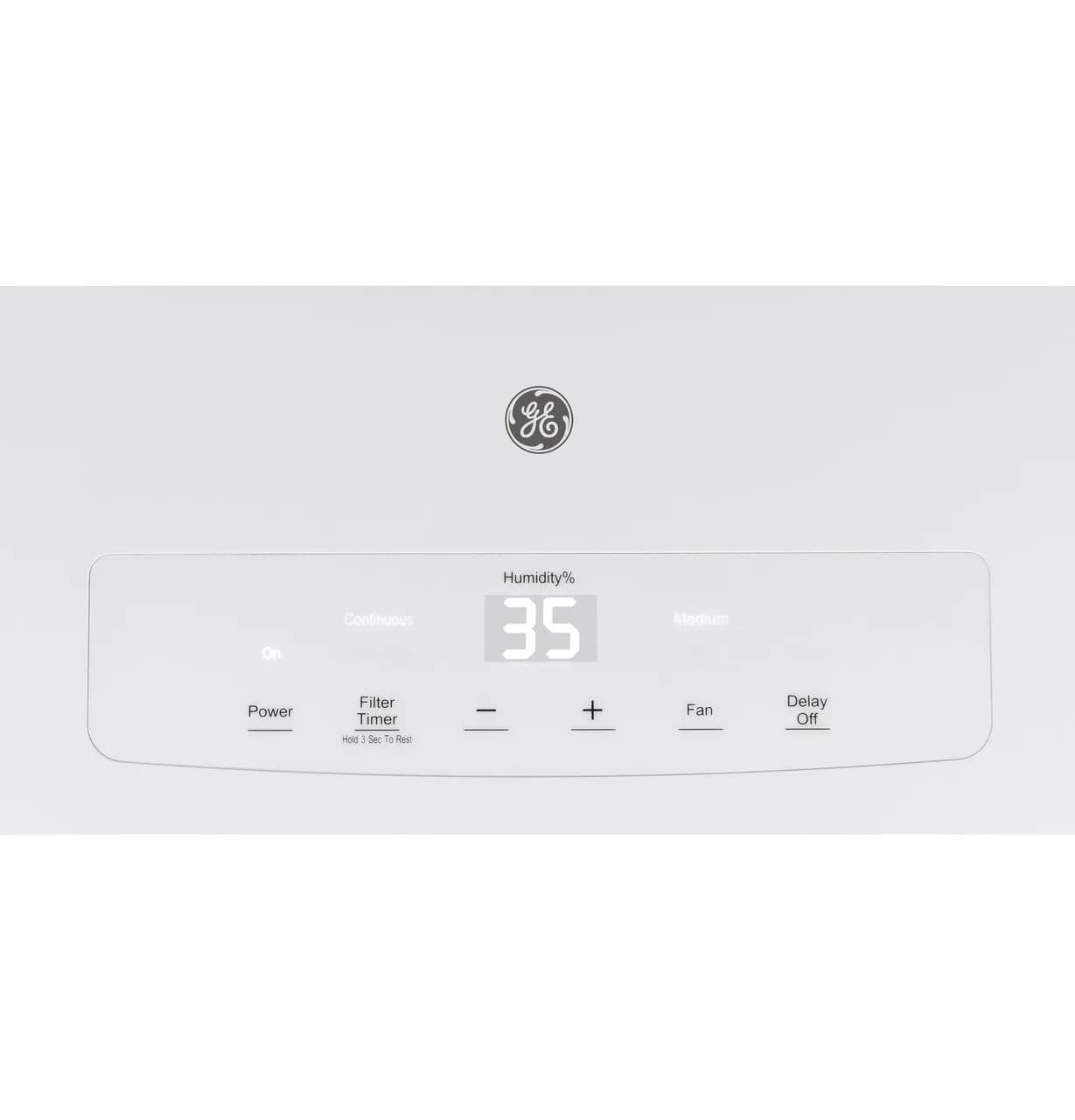
Check the humidistat as well. GE's page for the ADEW20LY lists an adjustable humidistat from 30 to 70 percent, and recommends 40 percent for maximum comfort. A humidistat lets the unit stop once the air reaches the level you set.
Noise: the figures do not line up
Noise is the spec most people check last and regret first, especially when the unit will run in a bedroom at night. The published figures use different methods, and some models publish none.
GE's page for the ADEW20LY lists 52 dBA at its maximum setting and 48 dBA on low. Midea's Canadian page for a 22-pint model lists 45 dBA, with no distance or fan speed given. Midea's US page for the EasyDry lists no noise figure, and Honeywell's FAQ gives no decibel figure either. It says fan and compressor sounds are normal during operation.
So 45 and 52 are not a fair head-to-head. Even the GE pair does not state the distance it was measured at, and the page does not say how much moisture the low setting removes. If the unit will sit in a bedroom, ask the seller for the low-speed figure.
Where it fits in a small flat
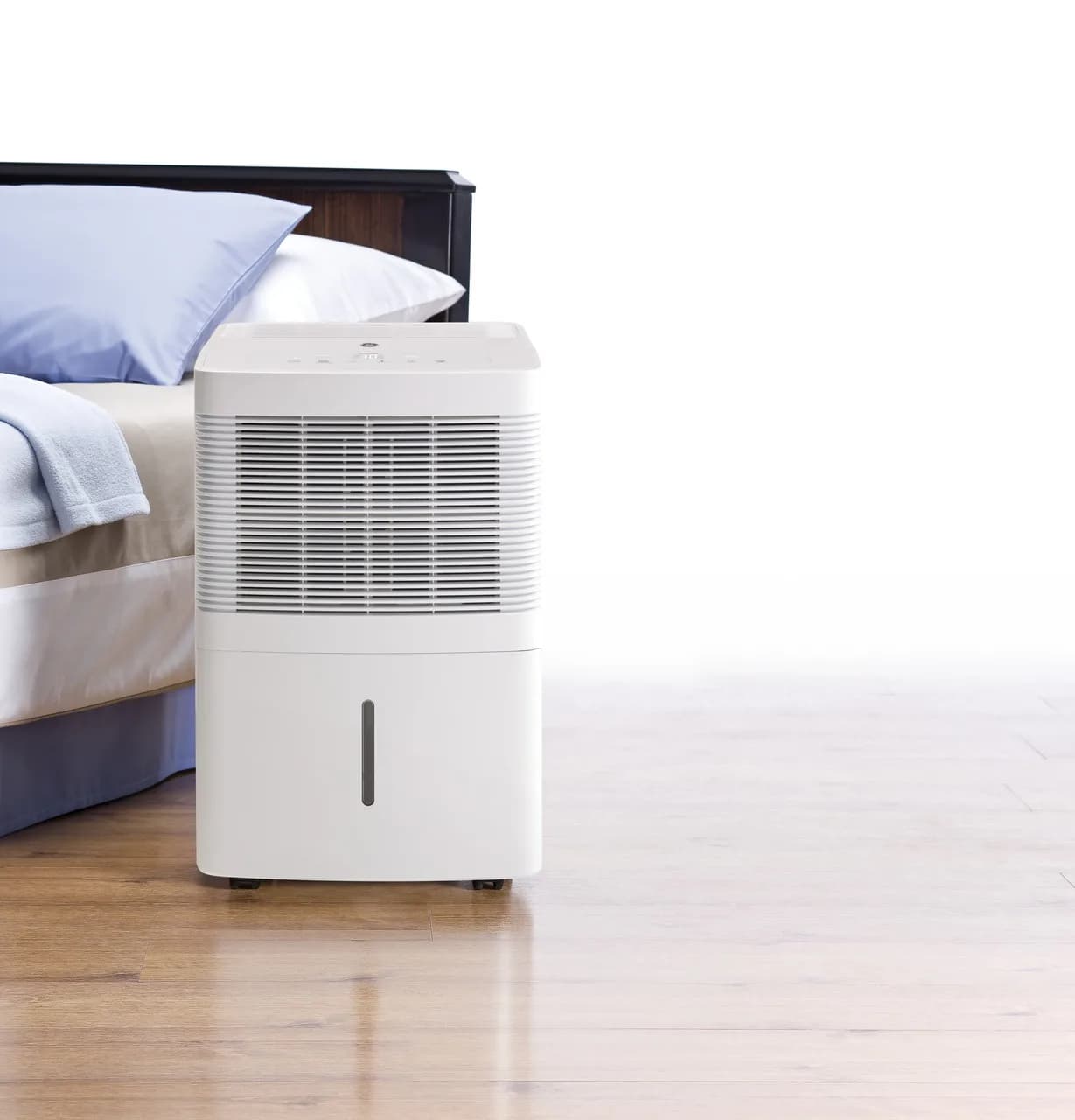
Placement matters as much as the spec. Honeywell's FAQ says to place the unit in an enclosed area and close windows and doors while it runs, so the machine works on the air in that room. Its frost troubleshooting advice also calls for at least about 17 inches of clearance for airflow.
Wall placement depends on the air discharge. Natural Resources Canada says a portable unit with top-mounted discharge can sit against a wall, while units without it should be kept away from walls and furniture. GE's ADEW20LY lists its air discharge as top, but check the model you buy, since the rule is about the design.
The EPA's moisture guide says to keep indoor humidity below 60 percent if possible, ideally between 30 and 50 percent, and to use air conditioners or dehumidifiers when needed. It also says to run bathroom fans when you shower, and to vent moisture-producing appliances such as clothes dryers outdoors where possible. In a small flat the shower and the dryer may share the same air, so the fan and vent advice counts as much as the machine.
The same guide says moisture problems can have many causes, including uncontrolled humidity. A dehumidifier helps when humidity is the cause, and it will not fix damp that comes from somewhere else.
Emptying, draining and running cost
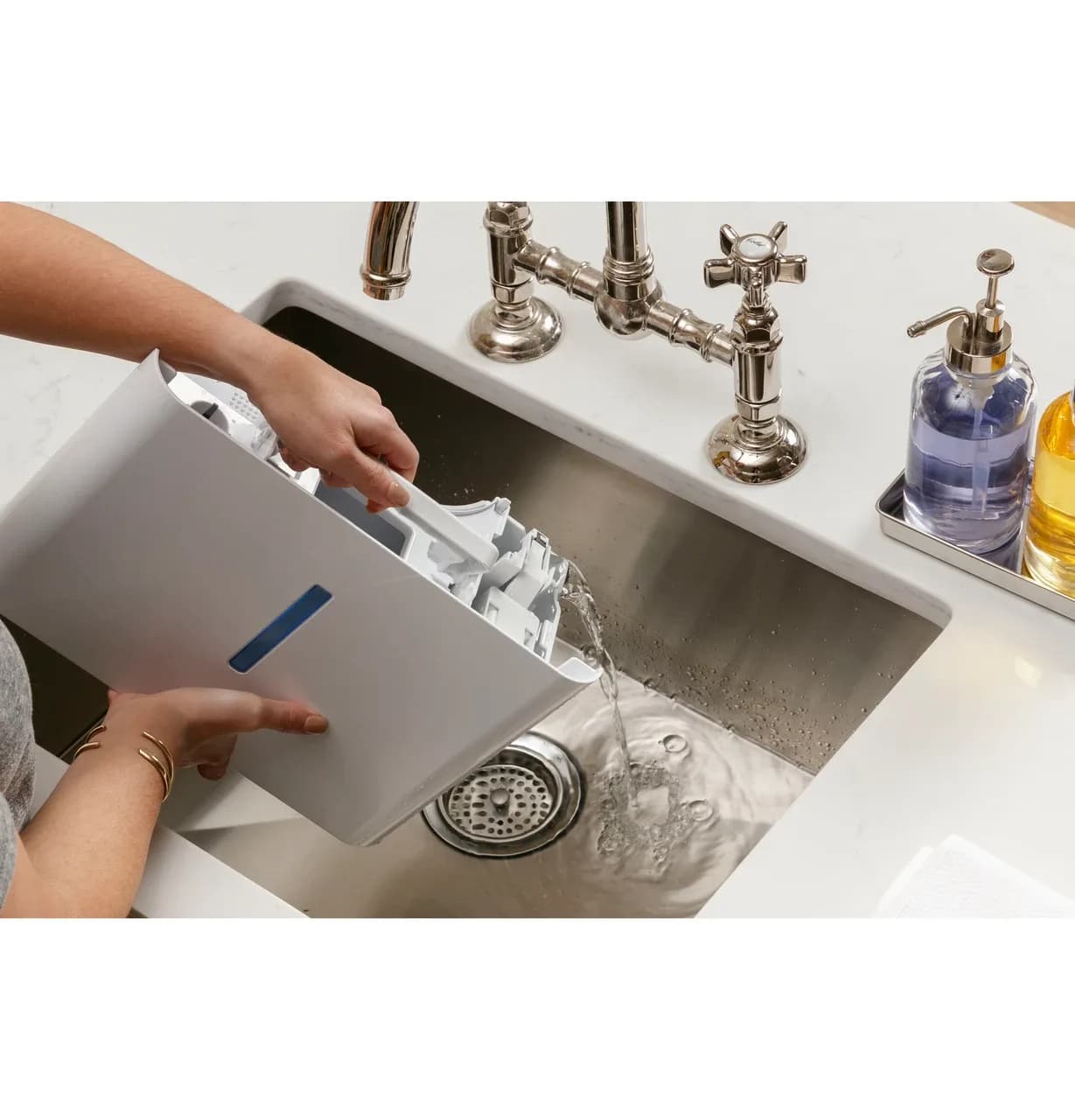
Who empties the bucket at two in the morning? Small units fill a bucket, and emptying it is the chore that decides whether you keep using the machine. GE's ADEW20LY has a 6.8-pint bucket, a 10-second alarm when the bucket is full or missing, and a continuous drain connection for a hose.
Honeywell's TP Series can drain through a standard garden hose, but gravity drainage needs the hose to run downward. Its pump models move water up to about 16 feet. Midea's US page for the EasyDry lists no built-in pump, so plan to empty the bucket or add a hose. The Canadian 22-pint page lists a 3-liter bucket.
On energy, ENERGY STAR says its units use 20 percent less energy than a similarly sized conventional unit to remove the same moisture. Natural Resources Canada says nearly 15 percent less, on average, than standard models. The two figures describe different comparisons, so read the direction as settled and the exact number as a range. The GE page gives an integrated energy factor of about 1.4 litres of water removed per kilowatt-hour, which is the figure to compare between units, though it does not say under what test conditions it was measured.
The verdict
For a bedroom or a small flat with ordinary dampness, look for a unit rated near 20 to 25 pints per day under the current test method, with a continuous drain connection, a humidistat you can set, and a published low-speed noise figure. The 20-pint end matches the ENERGY STAR starting range for a slightly to moderately damp room. The GE ADEW20LY is a useful reference for those figures, but GE's page says it is no longer being manufactured, so treat it as a benchmark rather than a purchase.
The downside is that the numbers you need most, real noise and real coverage, are the ones the listings are least consistent about. Ask the seller or the manufacturer for the low-speed decibel figure and the test conditions behind the pint rating before you buy.
Side by side
| Midea EasyDry 22 pt | GE ADEW20LY 20 pt | Honeywell TP30 | |
|---|---|---|---|
| Rated pints per day | 22 (US page) | 20 | 23 under the revised DOE method (30 before) |
| Noise | No figure on the US page | 52 dBA max, 48 dBA low | No decibel figure in the FAQ |
| Bucket and drain | No built-in pump, bucket size not given | 6.8 pt bucket, continuous drain connect | Garden hose or pump; TP tanks about 3.3 to 6.6 L |
| Coverage claim | Up to 1,500 sq ft | Not listed | Room-size guidance unchanged, figures not quoted |
Sources
- GE's 20-pint ADEW20LY page
- Midea's EasyDry 22-pint page
- Midea's Canadian 22-pint page
- Honeywell's portable dehumidifier support page
- ENERGY STAR: Dehumidifiers (capacity ranges, sizing guidance, energy savings)
- Natural Resources Canada: Choosing the right dehumidifier
- EPA: A Brief Guide to Mold, Moisture and Your Home
Next door
More notes, a few doors down the street.